The Marrakech souks are the commercial heart of the city and one of the largest traditional markets in the world. For over a millennium, these labyrinthine alleys have functioned as a hub for trade, connecting African, Mediterranean, and Arab merchants. Today, they house thousands of individual stalls and workshops where artisans continue to produce goods using traditional methods.
While the souks are a major tourist attraction, they remain a high-functioning marketplace for locals. Navigating them effectively requires more than just a map; it requires an understanding of how the sectors are organized and how to manage the unique social and commercial etiquette of the Medina. This guide provides a practical breakdown of the different specialized markets and essential strategies for shopping and navigating without getting overwhelmed.
Where to Shop in Marrakech – a Map of the Main Souks
Shopping is one of many experiences and things to do in Marrakech.
The Marrakech medina is organized into specialized sectors based on the type of goods produced. Understanding this layout is the most efficient way to find specific items and compare quality among similar vendors.
Souk Semmarine & Souk el-Kebir
These are the primary thoroughfares. You will find a bit of everything here: textiles, high-end antiques, and modern souvenirs. Because of the high foot traffic, prices here are often the highest in the city.
Souk Haddadine
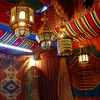
This is the blacksmiths’ quarter. It is loud and industrial, but it is the best place to buy authentic Moroccan lanterns, iron gates, and hand-forged hardware directly from the makers.
Souk Cherratine
Focused on leatherwork. This is where you will find the highest concentration of bags, belts, and traditional babouches (slippers). For the best quality, look for shops where you can see the leather being cut and stitched in the back.
Souk Des Teinturiers
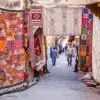
Known as the Dyers’ Souk. You can see large vats of pigment and rows of brightly colored wool and silk drying on lines above the street. It is the primary source for hand-dyed fabrics and rugs.
Souk Chouari
The carpenters’ and basket weavers’ quarter. This area is easily identified by the smell of aromatic cedar and thuya wood. It is located toward the northern edge of the main souk complex and offers everything from woven baskets to intricate wood carvings.
5 Essential Tips for Navigating the Marrakech Souks
Navigating the world’s largest traditional market requires more than a GPS. Use these five practical strategies to save time and avoid common pitfalls.
1. Use Landmarks, Not Google Maps
The Medina’s narrow, covered alleys frequently block GPS signals, and Google Maps is notoriously inaccurate within the labyrinth. Instead, navigate using major landmarks such as the Koutoubia Minaret, Cafe des Epices, or the Mouassine Mosque. If you get lost, ask a shopkeeper for directions to “Jemaa el-Fna”—most will point you toward the main square for free.
2. The “Right Hand” Rule
The souks are shared by pedestrians, handcarts, and motorbikes. Always walk on the right side of the alley. When you hear the shout “Balak!” (meaning “Watch out!”), move immediately to the side to allow a motorbike or a heavy cart to pass.
3. Know the Best Time to Shop
Timing dictates your experience:
- Morning (9:00 AM – 11:00 AM). Best for serious business. Shops are opening, the air is cool, and vendors are often more flexible with their first sale of the day (the “opening blessing”).
- Friday Afternoons. Many shops close for prayer and family time. This is the quietest time to walk through the streets, but the worst time for shopping.
4. Practice Photography Etiquette
The souks are highly photogenic, but many artisans consider it disrespectful to be photographed without permission—especially while they are working. Always ask, “S’il vous plaît?” before taking a photo of a person or a private workshop. Some may ask for a small tip (5–10 MAD) in exchange, which is a standard local practice.
5. Hire a Professional Guide to Avoid “Faux Guides”
The easiest way to avoid “hassle” is to have a professional with you. Unofficial “guides” often approach tourists offering to show them “the way out” or a “secret Berber market,” only to lead them to high-pressure sales environments.
A licensed guide makes sure, you have some space to browse at your own pace without being constantly approached. You can read more about Marrakech Guided Exploration in our tour descriptions.
Marrakech Souk Shopping Tips: How to Negotiate Prices
Bargaining is a standard part of the transaction in the Marrakech souks. If you accept the first price offered, you are likely overpaying.
- Start at 50%. A common strategy is to counter-offer with roughly half of the initial asking price and meet in the middle.
- Have a Walk-Away Price. Decide what the item is worth to you before you start. If the vendor won’t meet your price, politely leave. Often, they will call you back with a better offer.
- Pay in Cash. While some high-end boutiques and carpet shops accept credit cards, you will get much better deals using Moroccan Dirhams (MAD).
- Bundle Items. Buying multiple pieces from the same vendor is the most effective way to secure a significant discount.
Hidden Gems in the Marrakech Souks
While most tourists stay on the main paths of Souk Semmarine, the real value and history of the Medina are found in the smaller, less-frequented corners. If you are looking for authenticity over mass-produced souvenirs, look for these specific locations.
Traditional Fondouks (Artisan Caravanserais)
Historically, fondouks were medieval inns used by traveling merchants to house their animals and trade goods. Today, many have been restored into artisan hubs.
Unlike the street-facing stalls, the workshops inside fondouks (like Fondouk El Amir) allow you to see the actual production of furniture, weaving, and metalwork.
Our tip! Look for large, arched wooden doors off the main alleys; if they are open, you are usually welcome to enter and observe the craftsmen.
2. Place des Épices (Rahba Kedima Square)
Tucked away from the main thoroughfare, this square is the center for traditional apothecary and spices.
- What to find? Beyond standard cooking spices, this is where locals buy traditional cosmetics like Ghassoul (clay masks), Kohl (natural eyeliner), and raw herbal remedies.
- Tip: this square is also the best place to find hand-woven raffia baskets and hats at lower prices than the main souk entrances.
3. The Lezama (Jewelry Souk)
Located deep within the medina, the specialized jewelry souks are often overlooked.
- What to find? This is the best place to source Berber silver, authentic Tuareg crosses, and intricate filigree work.
- Note! Many items here are sold by weight. To ensure you are getting genuine silver, look for the official Moroccan hallmark stamp.
4. Rooftop Escape: Café des Épices and Beyond
The best way to appreciate the scale of the souks is from above.
- Why visit? Rooftop cafes provide a necessary sensory break from the noise and heat below.
- Tip: visit the rooftop of Café des Épices or Nomad for a panoramic view of the spice market and the Atlas Mountains in the distance. It is the best place to plan your next move within the labyrinth.
Experience the Medina Like an Insider
The difference between a stressful afternoon and a successful sourcing trip is knowing exactly which door to knock on. Most of the high-quality, export-grade items are hidden in private showrooms and non-descript workshops that aren’t visible from the street.
Our tours are designed for interior designers, collectors, and travelers who want to bypass the “tourist traps.” We have spent years building relationships with the city’s master artisans, ensuring you get direct-from-source pricing and authentic quality.