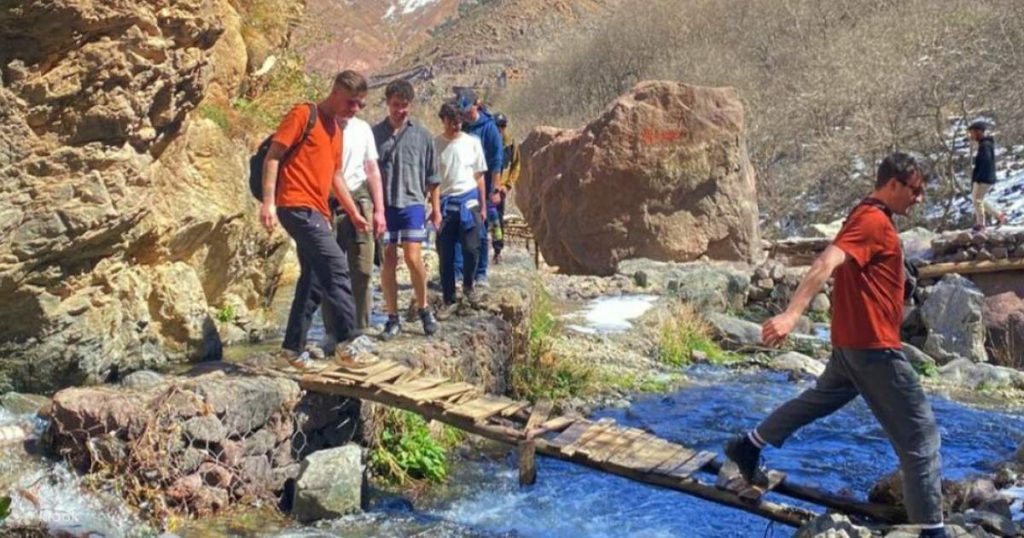
Standing on the summit of Jebel Toubkal at 4,167 meters, watching the sunrise illuminate the Sahara Desert to the south and the Atlantic plains to the north, is one of the most rewarding experiences Morocco has to offer. It is a bucket-list achievement that draws thousands of adventurers to the High Atlas every year.
The summer ascent of Toubkal is non-technical and requires no ropes, harnesses, or rock-climbing skills. And this is why it is often underestimated.
However, trekking in North Africa’s highest mountain range is a serious physical undertaking.
The combination of high altitude, steep gradients, and rugged terrain means that trekking in Atlas Mountains requires some degree of preparation.
We have seen seasoned hikers struggle because they packed the wrong gear. We have also seen first-timers succeed brilliantly because they trained effectively and respected the altitude.
As operators of private Morocco tours, we guide trekkers of all experience levels up these paths. Trekking is a part of many of our tours. If you are interested, check out daily tours from Marrakech or 12-Day Ultimate Morocco Tour.
In this article we are sharing the exact advice we give our clients. From realistic training plans and altitude management to the specific layers you will need when the mountain weather turns.
Understanding Altitude and Acclimatization
Jebel Toubkal sits at 4,167 meters. At this elevation, the effective oxygen level is approximately 60% of what is available at sea level. Acute Mountain Sickness (AMS) can affect anyone, regardless of fitness level or age. It is caused by the body’s inability to adjust quickly enough to the lower oxygen pressure.
Most trekkers will feel some effects of altitude above 3,000 meters. It is critical to distinguish between normal physiological responses and AMS.
Shortness of breath during exertion, faster heart rate, and deeper breathing are a normal response of the body.
Mild AMS are also common: a persistent headache (often at the back of the head), nausea, loss of appetite, and disturbed sleep.
If you experience mild AMS, do not go higher until symptoms resolve. If symptoms worsen (vomiting, severe headache not relieved by painkillers), you must descend immediately.
We use specific protocols on our tours to minimize the risk of AMS. You should adopt these same practices:
- Hydration. Dehydration exacerbates altitude sickness. The air in the mountains is dry and cold, causing you to lose moisture through respiration. You must drink 3 to 4 liters of water daily, even if you do not feel thirsty.
- Pacing. The biggest mistake hikers make is starting too fast. Maintain a slow, steady rhythm that allows you to hold a conversation without gasping. If you are breathing through your mouth heavily, you are moving too fast.
- Climb High, Sleep Low. This is the golden rule of acclimatization. The standard itinerary involves hiking from Imlil (1,740m) to the refuge (3,207m) in one day. This is a large jump (almost 1,500m). Ideally, spend a night in Aroumd (2,000m) before heading to the refuge to allow for better adaptation.
Some trekkers use Acetazolamide (sold as Diamox) to speed up acclimatization. It is a preventative medication, not a cure. It generally needs to be taken 24 hours before ascent. Consult your doctor before your trip to see if this is appropriate for you, as it is a prescription drug with side effects (commonly tingling fingers and increased urination).
This is also a good moment to remind about vaccination before visiting Morroco.
Physical Preparation before trekking
Summiting Mount Toubkal requires hiking for up to 10 hours on summit day, covering over 1,000 meters of vertical gain and loss. While no technical climbing skills are needed, a good level of fitness is mandatory. Preparation should focus on two areas: cardiovascular endurance and leg strength.
You need the ability to sustain physical effort over long periods. The most effective training is hiking. If possible, complete regular long walks (4–6 hours) on uneven terrain.
If you cannot hike outdoors, use a stair machine or a treadmill set to the maximum incline (typically 15%). Walk at a steady pace for at least 60 minutes. Running and cycling are also effective for building general stamina.
Start this training 8 to 12 weeks before your trip.
The ascent is taxing, but the descent is often where injuries occur. The trail consists of loose rock (scree), which requires significant stabilization from your ankles and knees.
Incorporate weighted squats, lunges, and calf raises into your routine. These exercises strengthen the quadriceps and protect the knee joints during the steep descent.
You will be carrying a daypack weighing 5 to 8 kg. A strong core is essential for balance on rough terrain and prevents back strain.
It is also important not to wear new boots for the first time in Morocco.
Wear your hiking boots on your training walks to ensure they do not cause blisters.
Carry your backpack loaded with 6–8 kg (water bottles work well for weight) during training. This conditions your shoulders and back to the load you will carry on the mountain.
The Essential Gear List
Packing for the Atlas Mountains requires balancing light weight with warmth. The most common mistake trekkers make is underestimating the cold. Even in summer, temperatures at the summit can drop below freezing, and the wind chill factor is significant. Conversely, the valleys are often scorching hot. Your gear system must handle this extreme variance.
The terrain in the High Atlas is rocky, dry, and unstable. We strongly recommend high-cut hiking boots over low-cut trail running shoes. The primary reason is ankle support; the descent from Toubkal involves hours of walking on loose scree where ankle rolls are common. Your boots should have a stiff sole to protect your feet from sharp rocks. Most importantly, ensure they are thoroughly broken in before your trip. Blisters are the number one reason trekkers fail to reach the summit.
Essential Clothing for Trekking in the Atlas
Do not bring cotton. Cotton absorbs sweat, stays wet, and chills you rapidly when you stop moving. Instead, use a three-layer system. Start with a synthetic or merino wool base layer that wicks moisture away from your skin. Over this, wear a mid-layer, such as a fleece or a light down jacket, to trap body heat. Finally, you must have a waterproof and windproof outer shell. The wind on the ridges is relentless, and a quality hard shell is your primary defense against the elements.
Sleeping Gear
Mountain refuges in Morocco are basic and unheated. While they provide mattresses, they do not provide bedding. You need a sleeping bag with a comfort rating appropriate for the season. For winter treks (November to April), a bag rated to -10°C or -15°C is necessary. In summer, a bag rated to 0°C or 5°C is sufficient. We also suggest bringing a sleeping bag liner for hygiene and a travel pillow, as refuge pillows can be minimal.
What to Wear in Winter Conditions in High Atlas?
If you are trekking between November and late April, the High Atlas is a winter mountaineering environment. You will need crampons and an ice axe. It is not enough to simply have them; you must know how to walk in them. If you do not own this equipment, it can be rented in Imlil, but quality varies. Checking the condition of rental gear before leaving the village is mandatory.
Essential Accessories
Trekking poles are not optional for this terrain; they significantly reduce the impact on your knees during the steep descent. A bright headlamp is required for the summit push, which typically begins around 4:00 AM in total darkness. Finally, the sun at 4,000 meters is intense. High SPF sunscreen, lip balm, and good quality sunglasses are critical to prevent severe burns and snow blindness.
Start your Morocco adventure with us
Trekking in the Atlas Mountains is physically demanding, but it is also one of the most accessible high-altitude adventures in the world. You do not need technical mountaineering skills or months of specialized training to stand on the roof of North Africa. What you need is a reasonable level of fitness, the right boots, and a sensible approach to packing.
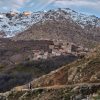
The experience of walking through Berber villages, sharing tea with locals, and watching the sun rise over the Sahara is worth every step of the climb. By taking the time to prepare your legs and your gear now, you ensure that your time on the mountain is spent enjoying the landscape, not managing discomfort.
We offer fully supported private treks in the High Atlas, ranging from accessible day trips to complete Toubkal expeditions. We handle all the logistics—including certified guides, mules for your luggage, accommodation, and private transport—so you can focus entirely on the hike.
Contact us today to plan your custom trekking itinerary or to ask any specific questions about current conditions on the mountain.