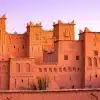
Famous places are famous for a reason. In Morocco, that might mean the layered streets of Marrakech, the old medina of Fes, the cinematic walls of Ait Benhaddou, the blue lanes of Chefchaouen or the first sight of the Sahara at the edge of the dunes. These are places guests often dream about long before they arrive.
But there is one problem luxury travelers mention more often than almost anything else: too many people in the same place, at the same time, following the same route.
The issue is not that guests want to avoid Morocco’s most important sites. They usually want the opposite. They want to experience them properly. What they do not want is to arrive behind a line of tour buses, move through a medina at the speed of a crowd, or feel that a landmark has become a stop on someone else’s schedule.
That feedback changed the way we design our tours. Instead of simply asking what guests should see, we began asking how they should arrive, when they should enter, where they should pause and which route would protect the atmosphere of the place.
Sometimes the answer is a quieter gate. Sometimes it is a private approach, an earlier start, a reversed itinerary or a local side route that changes the entire feeling of the visit. The goal is not to pretend Morocco’s famous sites are empty. The goal is to let guests experience them with more space, more privacy and a stronger sense of place.
Why Famous Places Feel Different When the Route Is Wrong
A landmark can be extraordinary and still feel disappointing if the approach is poorly planned. The problem is not always the place itself. Often, it is the way guests are brought into it.
When everyone arrives through the same entrance, at the same hour, after the same photo stop, the experience starts to feel compressed. There is less time to notice details, ask questions, take photographs naturally or simply stand still for a moment. Guests may see the site, but they do not fully settle into it.
This matters in Morocco because many of its most memorable places are built on atmosphere. A medina needs rhythm. A kasbah needs space. A mountain village needs quiet. The desert should not feel like a queue with sand.
For private travelers, avoiding congestion is not about avoiding people altogether. It is about protecting the quality of the encounter. The right route can make a familiar site feel personal again.
What Our Guests Were Telling Us
The change began with a simple pattern in guest feedback. Travelers were not asking us to remove Marrakech, Fes, Ait Benhaddou or the Sahara from their itineraries. They still wanted the iconic places. They just wanted to experience them with more breathing room.
Some felt rushed when large groups gathered around the same entrance. Others disliked moving through narrow streets behind a stream of visitors. Many wanted time to listen to their guide, look at the architecture, take photographs without pressure and pause without feeling they were blocking someone else’s path.
This feedback was especially clear from guests used to private travel. They were not looking for shortcuts or staged exclusivity. They wanted better timing, quieter approaches and guides who could adjust the route instead of following a fixed script.
That distinction mattered. The solution was not to chase hidden places for the sake of novelty. It was to visit important places in a more thoughtful way.
The Problem With the Obvious Route
Most tours are built around convenience. The nearest parking area, the main entrance, the standard walking loop, the usual viewpoint and the restaurant everyone already knows. It keeps logistics simple, but it also sends guests into the busiest version of the experience.
That may work for a quick visit. It does not work for private travel. Guests who have chosen a tailored itinerary do not want to feel folded into the same movement as every group arriving that morning.
In Morocco, the obvious route is often the most crowded one. It can also be the least interesting. A medina entered through a quieter gate may reveal daily life before the shops become busy. A kasbah approached from the side may feel more connected to the landscape. A village reached on foot, rather than from the main drop-off point, may give guests a better sense of where they are.
Good routing is not about making the journey more complicated. It is about choosing the path that preserves the place.
How We Began Rerouting Our Tours
We started by looking at every point in the itinerary where the experience seemed to lose its calm. Main gates, parking areas, popular photo stops, lunch hours, market entrances and narrow medina lanes all became part of the review.
The question was no longer only: is this place worth visiting? The better question became: what is the best way to experience it?
In some places, that meant arriving earlier. In others, it meant reversing the route, entering from a quieter side, changing the lunch stop or allowing the guide to approach the site through a less obvious path. Sometimes a small adjustment changed the entire mood of the visit.
This process also made us more selective. Not every detour is worth taking, and not every “hidden” route improves the day. A better route has to serve the guest, respect the place and make logistical sense. Otherwise, it is just a longer way to reach the same problem.
Private Entry Points and Quieter Approaches
When guests hear “private access,” they often imagine a locked gate opening onto an empty monument. Sometimes access can be arranged in a more exclusive way, but more often the improvement is subtler and more practical.
A quieter entrance, a less-used gate, a side approach through a village, a different drop-off point or a short walk before reaching the main site can change how the visit begins. Instead of arriving with everyone else, guests enter with more space and a better sense of the place around them.
This matters especially in Morocco, where the approach is often part of the experience. A medina does not begin only at the famous square. A kasbah is not only its most photographed wall. A mountain village is not best understood from the nearest parking area.
Timing Is Often More Powerful Than Secrecy
Avoiding congestion is not always about finding a hidden entrance. Very often, it comes down to timing. The same place can feel crowded, hot and rushed at one hour, then calm and generous a little earlier or later in the day.
In Morocco, this matters because light, temperature and street rhythm change quickly. A morning visit can give guests cooler air, softer light and quieter lanes. A late afternoon approach can turn a busy viewpoint into a more atmospheric stop. Reversing the order of a day can also help avoid the predictable movement of larger groups.
Good timing also creates better pacing. Guests are not pushed through a landmark at the busiest moment or forced into lunch when every other tour has stopped at the same place. The day feels more private because it has been shaped around flow rather than habit.
Why a Private Tour Guide Changes Morocco Experience
A quieter route only works when the guide knows the place beyond the standard path. In Morocco, this knowledge is often what separates a pleasant visit from a memorable one.
A strong private guide understands when a gate becomes busy, which streets are better avoided at certain hours, where the light falls well, which viewpoints have become overused and when a pause will improve the whole experience. They can also read the guests. Some travelers want architecture and history. Others want artisans, food, photography, daily life or simply more quiet.
This flexibility matters because no itinerary survives the day exactly as written. A street may be blocked, a site may be busier than expected, the weather may shift or guests may want to slow down. A private guide can adjust without making the day feel disrupted.
Famous Sites Are Still Worth Visiting
Avoiding tourist congestion does not mean avoiding Morocco’s most important places. Marrakech, Fes, Ait Benhaddou, Chefchaouen, the Sahara and the High Atlas are popular because they offer something worth seeing. The mistake is not visiting them. The mistake is visiting them in the same way as everyone else.
A famous site can still feel personal when the route, timing and guide are right. Marrakech does not have to mean moving through the medina with the crowd. Visiting Fes does not have to feel like a maze of bottlenecks. Ait Benhaddou does not have to be reduced to a quick roadside photograph. The Sahara does not have to begin with a convoy.
This is why we do not build itineraries around novelty alone. Some places deserve their reputation. Our work is to protect the experience around them, so guests can understand why those places became famous before mass tourism changed the way people arrive.
What Guests Gain From Quieter Routing
Quieter routing changes more than the crowd level. It changes the quality of attention. Guests can look longer, ask better questions and notice details that disappear when a visit feels rushed.
Photography becomes more natural because people are not constantly waiting for a gap in the crowd. Conversations with the guide become easier because the group is not competing with noise, movement and pressure from other visitors. Older travelers and families also benefit because the pace can be adjusted without feeling that everyone is being pushed along by the traffic of the site.
There is also less fatigue. Crowds take energy, especially in narrow streets, busy markets, hot weather or popular viewpoints. When the route is calmer, the day feels lighter. Guests still see the important places, but they do not feel as if they have been processed through them.
Off the Beaten Path Is Not Always Better
There is a difference between a quieter route and a random detour. Not every hidden place is worth adding to an itinerary, and not every lesser-known stop improves the day. Sometimes it only makes the journey longer without making the experience better.
For private travel, the goal is not to avoid famous sites just to sound original. The goal is to choose access points, routes and timing that give guests a stronger experience of the place. A quiet viewpoint with no meaning is not better than a famous view approached at the right hour. A remote village is not automatically more authentic than a historic medina visited with a thoughtful guide.
This is why rerouting has to be selective. A better route should add atmosphere, comfort, privacy or understanding. It should respect local life and make sense within the rhythm of the day.
Final Thoughts: Privacy Is Designed Before the Guest Arrives
A quieter Morocco tour does not happen by chance. It is created through timing, local knowledge, guide selection, careful routing and the willingness to question the obvious path.
Sometimes that means entering through a calmer gate. Sometimes it means starting earlier, reversing the day, changing the lunch stop or choosing a viewpoint that gives the place more room to breathe. In other cases, the main route is still the right one, but it has to be handled with better timing and a more flexible pace.
The goal is not to make Morocco feel empty. That would be both unrealistic and less interesting. The goal is to protect the quality of the encounter, so famous places still feel alive, layered and worth the journey.
For us, avoiding tourist congestion is not about avoiding people. It is about designing a better rhythm. The best private tours do not simply take guests to Morocco’s most important places. They protect the feeling those places are supposed to create.
FAQ: Avoiding Tourist Congestion on Private Morocco Tours
Can you avoid crowds at Morocco’s famous sites?
Not completely, but a private itinerary can reduce exposure to the busiest routes, entrances and times of day. Better timing, experienced guides and quieter approaches can change the experience significantly.
What does “private access” mean in Morocco?
Private access does not always mean a locked gate or exclusive monument entry. It may mean a quieter entrance, a side approach, a local route, a private transfer drop-off, a less crowded trail or a visit timed outside the busiest hours.
Are famous places in Morocco still worth visiting?
Yes. Places such as Marrakech, Fes, Ait Benhaddou, Chefchaouen, the Sahara and the High Atlas are popular for good reasons. The key is not to skip them automatically, but to visit them in a more thoughtful way.
Is off-the-beaten-path travel always better?
No. A lesser-known place is not automatically more meaningful. A well-designed visit to a famous site can be better than a random detour added only to avoid tourists.
How do private guides help avoid tourist congestion?
A good private guide understands local rhythm. They know which gates become busy, which streets to avoid at certain hours, where to pause, how to adjust the route and when a site should be approached differently.
Can Marrakech be experienced without heavy crowds?
Marrakech will never feel empty, but it can feel much calmer with the right planning. Quieter medina routes, early starts, selective shopping stops, private guiding and well-timed restaurant reservations all help.
How can Fes be visited with less congestion?
Fes requires a guide who knows how to move through the medina intelligently. Entering through calmer points, avoiding bottleneck streets and choosing better-timed artisan visits can make the experience feel deeper and less rushed.
Is Ait Benhaddou always crowded?
It depends on the season and time of day. Many visitors arrive on similar schedules, so timing and approach matter. A private itinerary can avoid treating it as a rushed roadside photo stop.
Can the Sahara feel crowded?
Some desert routes, transfer points and camps can feel busy in peak periods. Private transfers, carefully chosen camps, better timing and less obvious arrival patterns can make the experience feel more personal.
Is it better to visit sites early in the morning?
Often, yes. Early visits can mean cooler temperatures, softer light and fewer large groups. Late afternoon can also work well in some locations, especially where light and atmosphere matter.
Do quieter routes require more walking?
Sometimes. A calmer gate, side approach or better viewpoint may involve a short walk. For many guests, that small effort creates a much better sense of arrival.
What should I ask before booking a private Morocco tour?
Ask whether the itinerary uses standard routes or custom routing, how the operator handles peak hours, whether guides know quieter approaches, how lunch stops are planned and what alternatives exist if a site is unexpectedly crowded.
Does avoiding crowds mean missing the main highlights?
No. A well-designed private tour should help guests see the important places with better timing, smoother access and more space. The aim is not to remove the highlights, but to improve the way they are experienced.