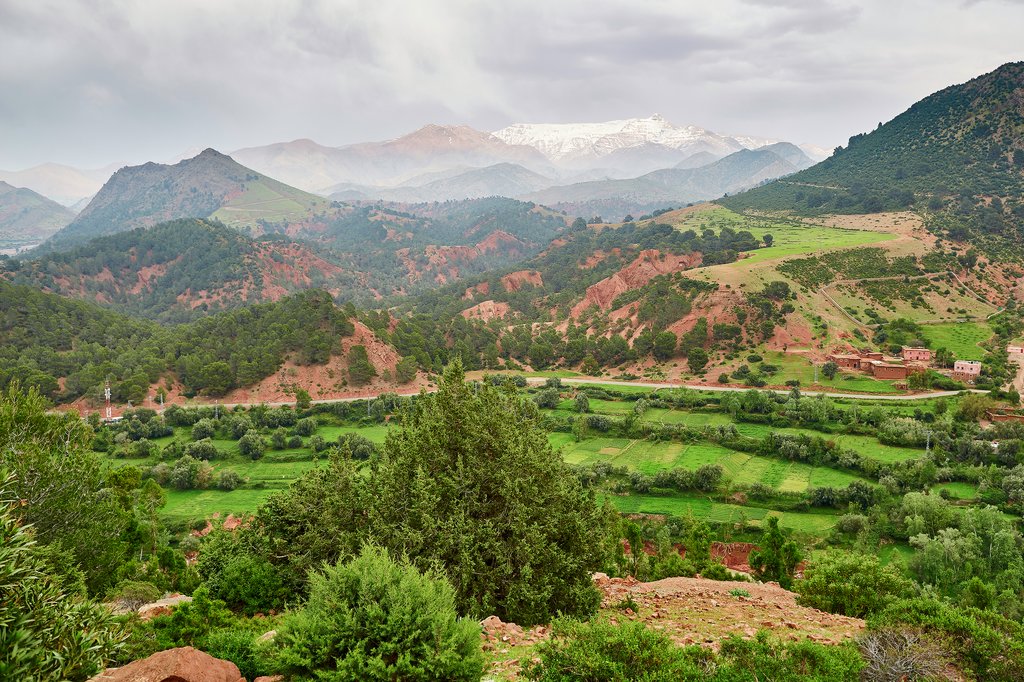
Many travelers assume Morocco is uniformly hot and dry year-round. It is easy to pack the wrong clothing if you picture the entire country as one big sun-baked desert. In reality, the country features distinct weather zones that range from snow-capped alpine peaks to breezy Atlantic beaches.
Tip: Check the specific regional weather forecasts for each stop on your route instead of relying on a generic nationwide average.
The varied geography creates massive climate differences depending on where and when you visit. For example, while Marrakech may see high summer temperatures, the coastal town of Essaouira stays cool and windy just three hours away. You can easily manage your physical comfort simply by picking the right cities for the right months.
Tip: Plan to visit coastal towns or high-altitude mountain resorts if your schedule forces you to travel during the peak summer months of July and August.
A smart itinerary treats Morocco as a collection of micro-climates rather than a single weather pattern. You do not have to sweat through a hot afternoon or shiver during a desert night if you align your travel dates with the local seasons. Understanding these regional shifts helps you maximize your outdoor time and stay comfortable throughout your stay.
Tip: Pack high-quality layers like a light wool sweater and breathable linen shirts so you can adjust easily as you move between different altitude zones.
The Coastal weather and Atlantic Breezes in Essaouira and Casablanca
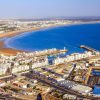
The Atlantic coast acts as a natural air conditioner for western Morocco. Cities like Essaouira and Casablanca benefit from cold ocean currents that keep the summer weather mild and comfortable. While inland cities like Marrakech can get hot in July and August, coastal temperatures usually hover around a pleasant 75°F (24°C).
Tip: Book a sea-view suite at a premium coastal property to enjoy the natural ocean breeze rather than relying entirely on indoor air conditioning.
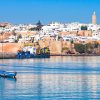
Essaouira is famous for its strong coastal winds, which blow consistently during the warmer months. This wind keeps the city fresh, but it means the beaches are better for watching kitesurfers than for laying out on a sun lounger. The breeze makes outdoor patio dining along the historic ramparts incredibly refreshing during the afternoon.
Tip: Pack a high-quality windbreaker or a light cashmere wrap for evening walks, as the wind chill makes the coast feel much cooler than the thermometer suggests.
The climate pattern changes significantly during the winter months from November to February. The ocean breeze turns into damp, humid air, and these coastal cities see the highest rainfall in the country. If you want crisp, dry winter sun for your trip, you should head inland or south toward the desert valleys rather than staying by the water.
Tip: Ensure your coastal hotel has operational indoor heating or an open fireplace if you travel in January, because the damp ocean air makes unheated stone rooms feel quite chilly at night.
The Atlas Mountains weather
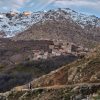
The High Atlas Mountains rise over 13,000 feet, which surprises many first-time visitors to North Africa. This massive range cuts right through the middle of Morocco and creates a true alpine climate just an hour outside of Marrakech. In the winter months from December to March, you will find heavy snow on the peaks and freezing temperatures once the sun goes down.
Tip: If you plan to visit mountain villages in January, pack sturdy boots with good traction because morning frost makes the stone paths slippery.
During the peak of summer, these mountains become an excellent refuge from the intense city heat. High-end mountain retreats sit at higher elevations where the air is noticeably cooler and crisper than down in the valleys. You can spend your afternoons hiking through walnut groves or relaxing by a pool without feeling drained by the sun.
Tip: Book a mountain resort with a heated pool, because even in June, the high elevation means water temperatures drop quickly after sunset.
The high altitude also means that winter weather can affect your driving routes across the range. The Tizi n’Tichka pass, which connects Marrakech to the desert, can occasionally close for a few hours after a heavy snowstorm. Working with an experienced private driver ensures you stay updated on road conditions and safely clear the mountain passes without delays.
We suggest you check the mountain transit reports the morning of your drive over the pass, and ask your driver to adjust your departure time to avoid early morning ice.
The Sahara climate Is a Mix of Hot Days and Freezing Nights
The Sahara Desert experiences some of the most dramatic daily temperature swings in the world. Because dry sand cannot hold heat, the temperature can drop by as much as 40 degrees the moment the sun drops below the horizon. A warm, sunny afternoon can turn into a freezing night very quickly.
Tip: Bring a high-quality jacket or a fleece pullover to dinner at your desert camp, because the transition from day to night happens in less than an hour.
Summer in the deep dunes is incredibly intense, with daytime highs frequently reaching 115°F (46°C) in July and August. Most luxury camps actually close or run on limited staff during these two months because the heat makes outdoor activities uncomfortable. If you want to see the desert comfortably, you should skip the summer months entirely.
Tip: Schedule your Sahara trip between October and April, when daytime temperatures stay around a pleasant 75°F (24°C).
Winter in the desert offers clear blue skies and bright sunshine during the day, but the nights drop close to freezing. Luxury desert camps use heavy wool blankets and indoor heaters to keep you comfortable inside your tent. You will want to dress in layers so you can easily adapt as the sun warms up the dunes the next morning.
Choose a premium camp that explicitly guarantees en-suite heating and insulated tent walls to ensure you stay warm throughout January and February nights.
The Best Months to Visit Morocco’s Historic Cities
Unlike the coast, inland cities like Marrakech and Fes sit in low basins that trap hot air. During July and August, temperatures here can easily pass 100°F (38°C) by noon, making afternoon walking tours exhausting. The stone walls of the old cities absorb the sun all day and radiate that heat long into the night.
Tip: Schedule your outdoor palace tours for 9:00 AM, then plan to relax by your hotel pool from 1:00 PM to 4:00 PM when the sun is strongest.
The ideal times to explore these cities are during the spring (April to May) and autumn (September to October). During these months, you get warm, dry days paired with cool evenings that are perfect for rooftop dining. You can walk through the historic sites comfortably without the intense midday glare.
Read more about Weather in Morocco in October.
Book your spring or autumn accommodations at least six months in advance, as these are the peak travel windows for premium boutique properties.
Winter brings sunny afternoons around 65°F (18°C), but the temperature drops quickly at night. Because traditional courtyard homes are designed to keep the sun out, they can feel like stone refrigerators in January if they lack proper climate control. You will want to make sure your lodging has excellent indoor heating before booking a winter stay.
Tip: Ask your riad host to turn on your room’s heating unit an hour before you return from dinner so the space is warm when you arrive.
Packing for Morocco’s Multi-Climate Routes
Packing for a trip through Morocco requires a deliberate strategy because your suitcase needs to handle both hot afternoons and cold mornings. Natural, breathable fabrics like high-grade linen, lightweight cotton, and thin merino wool are your best options. These materials keep you cool under the midday sun but insulate well when the temperature drops at night.
Tip: Choose a color palette of neutrals like beige, olive, and navy so you can easily mix, match, and layer your clothing throughout the trip.
Your footwear choices must bridge the gap between historic stone streets and fine desert sand. Leave the flimsy sandals for the resort pool area and opt for structured, supportive leather loafers or premium walking sneakers instead. High-end restaurants and old historic districts both require a lot of walking over uneven terrain.
Tip: Pack a pair of closed-toe leather walking shoes with thick rubber soles to protect your feet from dust and uneven medina pavement.
Intense sun exposure is a constant across all regions, even when the alpine or coastal air feels quite cool. A wide-brimmed hat, polarized sunglasses, and high-SPF mineral sunscreen are essential additions to your daily carry. A large cashmere or linen wrap is also incredibly useful for blocking the sun or wrapping up against a sudden evening breeze.
Tip: Keep your sunscreen and a light scarf in your private driver’s vehicle so you can easily grab them before stepping out for an unscheduled photo stop.
Aligning Your Route for Absolute Comfort
Comfort in Morocco is entirely a matter of smart routing rather than luck. When you align your itinerary with the regional micro-climates, you can enjoy a perfectly balanced trip any time of the year.
Tip: Work with a specialized travel consultant who can verify that your seasonal stops line up perfectly with local climate data.
Bypassing the summer heat traps or the wet winter coast lets you experience the country on your own terms. You will spend your time enjoying world-class estates and historic views without feeling drained by the weather.
Tip: Review your final itinerary month-by-month against this climate guide before paying non-refundable deposits on your villa rentals.