Morocco is a country that defies a singular definition. Located at the crossroads of Africa and Europe, it is a landscape of extremes—spanning the snow-capped peaks of the High Atlas, the golden expanse of the Sahara, and the rugged Atlantic coastline. For the first-time traveler, the sheer diversity of experiences can be overwhelming. From the ancient, sensory-rich medinas of the imperial cities to the quiet, mud-brick villages of the south, Morocco offers a rare blend of living history and modern dynamism.
In this article we present ten essential destinations that capture the broad spectrum of the Moroccan experience. Whether you are seeking the architectural grandeur of a 14th-century madrasa or the silent solitude of a desert camp, these locations provide the foundation for a comprehensive itinerary.
Before you begin mapping out your journey, make sure to read our guide to the Moroccan Visa. It provides the necessary details on entry requirements and application processes for international visitors.
Marrakech: the Red City
Often the first stop for many travelers, Marrakech is Morocco’s most iconic destination. Known as the “Red City” due to the distinct ochre pigment of its buildings and ramparts, it serves as the country’s primary cultural and tourism hub. The city is a study in contrasts, where ancient traditions exist alongside modern luxury.
Jemaa el-Fna Square
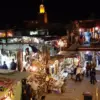
The city’s central heartbeat. By day, it is a bustling marketplace; by night, it transforms into a massive open-air dining hall filled with storytellers, musicians, and street performers.

Architectural Landmarks
Key sites include the Bahia Palace, a 19th-century masterpiece of Moroccan craftsmanship, and the Saadian Tombs, which date back to the 16th century.
The Majorelle Garden
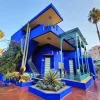
A botanical sanctuary designed by French painter Jacques Majorelle and later restored by Yves Saint Laurent, famous for its striking “Majorelle Blue” structures.
Marrakech is the ideal starting point for those who want to experience the intensity of the souks (traditional markets) while enjoying some of the most refined boutique riads in the country.
Fes: the Spiritual and Intellectual Capital
If Marrakech is the heartbeat of Morocco, Fes is its soul. Home to the oldest continuously operating university in the world, Fes has remained the country’s center for scholarship, religion, and artisanal craft for over a millennium.
Fes el-Bali
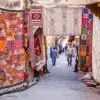
This is the world’s largest car-free urban zone. A UNESCO World Heritage site, it consists of more than 9,000 narrow alleys where donkeys remain the primary mode of transport.
The Chouara Tannery
One of the city’s most photographed locations, where leather is still processed using medieval techniques in giant stone vats of dye.
Al-Qarawiyyin University
Founded in 859 AD, this institution is a cornerstone of Islamic history and architecture.
Visiting Fes is a more intense experience than Marrakech. It is less “polished” and more focused on preserving its medieval character, making it the premier destination for those interested in authentic history and traditional crafts.
Chefchaouen: the Blue Pearl
Nestled in the Rif Mountains of northwest Morocco, Chefchaouen is world-renowned for its striking, blue-washed buildings. Founded in 1471 as a small fortress to fight Portuguese invasions, it later became a refuge for Jews and Muslims fleeing Spain. Today, it is one of the most relaxed and photogenic destinations in the country.
- The Medina. Unlike the bustling centers of Marrakech or Fes, Chefchaouen’s medina is relatively quiet. The blue palette creates a unique, calming atmosphere. It has been a traditional believe that a blue color repels mosquitoes and symbolizes the sky and heaven.
- The Spanish Mosque. A short 15-minute hike uphill from the town provides a panoramic view of the blue city against the backdrop of the rugged limestone peaks.
- Ras El Ma. A natural spring where locals gather to wash laundry and socialize, offering a glimpse into the town’s daily mountain life.
Merzouga & Erg Chebbi: the Sahara Gateway
No general guide to Morocco is complete without the desert. Merzouga is a small village on the edge of Erg Chebbi, a massive sea of wind-swept sand dunes that reach heights of up to 150 meters. We have written an article about how to plan and prepare for Sahara desert tour.
- Desert Trekking. Most tourists reach the interior of the dunes via camel trek, timed to coincide with the sunset.
- Overnight Camps. Accommodations range from basic Berber tents to “glamping” setups with full beds and ensuite bathrooms. Staying overnight allows for stargazing in a location with virtually zero light pollution.
- Logistics. The journey to Merzouga is long (approximately 8-10 hours from either Marrakech or Fes). However, the drive through the Ziz Valley and the Middle Atlas mountains is a scenic experience in itself. We also include this experience in our tours from Fes to Merzouga.
Essaouira: the Atlantic Port
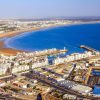
Moving from the arid interior to the coast, Essaouira provides a distinct shift in both climate and atmosphere. This 18th-century fortified town, once known by its Portuguese name, Mogador, is defined by its constant Atlantic breeze and its scale, which is much more manageable than the larger imperial cities. The town’s history as a major seaport is visible in its massive stone ramparts and the bronze cannons that still line the sea walls.
The harbor is a focal point of daily activity, where blue wooden boats return each morning with the day’s catch. Visitors can walk through the Skala de la Ville for views of the crashing waves or explore the white-and-blue medina, which is famous for its Gnawa music scene and Thuya wood carvings. Because of the strong winds, the town is a global hub for kitesurfing, but even for those not interested in water sports, the relaxed pace makes it a preferred stop for travelers looking to decompress.
Ait Benhaddou: the Ancient Ksar
Located along the former caravan route between the Sahara and Marrakech, Ait Benhaddou is perhaps the most striking example of Southern Moroccan earthen architecture. This “ksar”—a collective group of dwellings surrounded by high walls—is made entirely of red mud and straw. It is a UNESCO World Heritage site and has served as a backdrop for numerous historical films and television series due to its remarkably preserved state.
The site is built into the side of a hill, with the oldest structures at the summit and more modern residences at the base. Walking through its narrow, uphill passages allows you to see the intricate geometric patterns carved into the clay towers. Most families now live in more modern housing across the Ounila River, but the ksar remains active with small shops and art galleries. It serves as a vital stop for anyone traveling toward the desert, offering a clear window into the pre-Saharan way of life.
The High Atlas Mountains
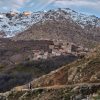
The High Atlas range forms the literal and metaphorical backbone of Morocco, separating the mild Mediterranean and Atlantic coasts from the arid Sahara. This region is the heartland of the indigenous Amazigh (Berber) people and offers a stark departure from urban life. The landscape is characterized by deep valleys, terraced agriculture, and villages that appear to grow directly out of the mountainsides. We explore this more in our Ultimate Travel & Adventure Guide to the Atlas Mountains.
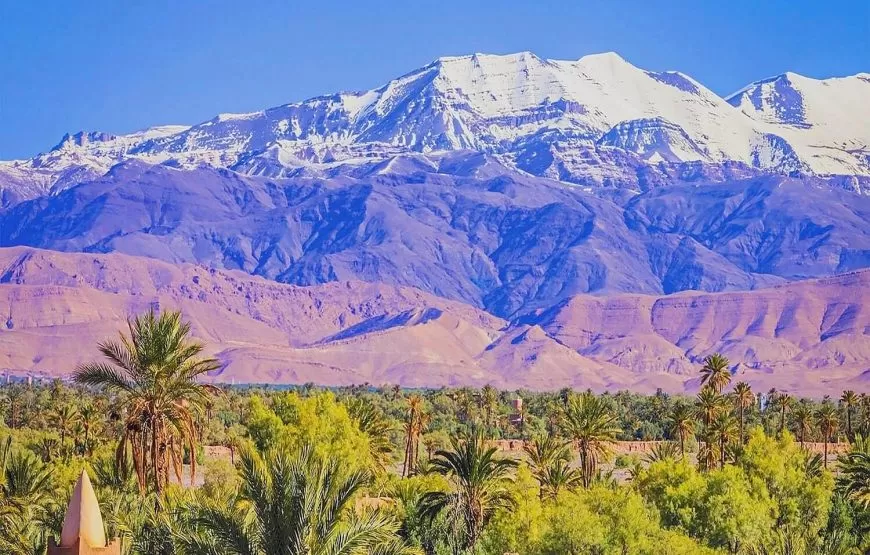
For those seeking outdoor activity, the village of Imlil serves as the primary base for trekking, particularly for those aiming to summit Mount Toubkal, the highest peak in North Africa.
Check out our Top 10 Trekking Trails in Morocco.
However, the region is equally rewarding for those who prefer cultural immersion over physical exertion. Spending time in the Ourika or Ouirgane valleys allows travelers to visit local markets and witness traditional farming methods that have remained unchanged for generations. The air is cooler here, and the pace of life is dictated by the seasons, providing a necessary perspective on Morocco’s rural heritage.
Rabat: the Understated Capital
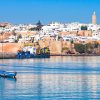
Rabat is often overlooked in favor of more chaotic cities, yet it offers a sophisticated blend of Morocco’s past and its modern ambitions. As the seat of the government and the King’s primary residence, the city is remarkably clean, organized, and easy to navigate. It possesses a unique coastal charm, with the Bou Regreg river separating it from its sister city, Salé.
The Kasbah of the Udayas is the city’s most picturesque quarter, featuring white-and-blue painted alleys that lead to a cliffside view of the Atlantic. Nearby, the Hassan Tower and the adjacent Mohammed V Mausoleum showcase the pinnacle of Moroccan funerary architecture. Unlike the high-pressure sales environment found in Marrakech, the medina in Rabat is a place where locals shop, offering a more relaxed environment for those who want to explore traditional markets without the intensity of a heavy tourist presence.
Casablanca: the Modern Metropolis
Casablanca is the economic engine of Morocco and its most populous city.
While it lacks the ancient medieval feel of Fes or Marrakech, Casablanca is representing modern architecture of the country’s 20th-century history and its modern, cosmopolitan future.
The city is famous for its Mauresque architecture, which is a blend of traditional Moroccan style and French Art Deco, prominently displayed in the buildings surrounding the Place Mohammed V.
The city’s crowning achievement is the Hassan II Mosque. Completed in 1993, it is one of the largest mosques in the world and sits spectacularly on a platform overlooking the Atlantic Ocean. It is also one of the few religious sites in Morocco open to non-Muslim visitors, offering a rare opportunity to see massive-scale Moroccan craftsmanship, including hand-carved stone, wood, and intricate gilding. For travelers arriving on international flights, a day in Casablanca provides a necessary look at the urban energy that drives the nation today.
Meknes and Volubilis: Imperial and Roman History
Meknes, the quietest of the four imperial cities, was the vision of Sultan Moulay Ismail in the 17th century. He transformed it into a fortress-like capital with massive walls and monumental gates, the most famous being Bab Mansour. The city offers a more low-key historical experience, where you can explore the Sultan’s vast granaries and royal stables without the crowds found elsewhere.
Just a short drive from Meknes lies Volubilis, the most significant Roman archaeological site in Morocco. This UNESCO World Heritage site was once a remote outpost of the Roman Empire and remains remarkably well-preserved. Walking through the ruins, you can see triumphal arches, basilicas, and stunning floor mosaics still in their original positions.
Together, Meknes and Volubilis represent two distinct layers of Moroccan history—the Roman foundations and the Islamic imperial era—making them an essential stop for anyone interested in the deep roots of the region.
Top 10 Places to Visit in Morocco – Summary
Morocco is a destination that rewards curiosity and rewards those who venture beyond the surface. From the blue-hued streets of the north to the red earth of the south, the country offers a diverse array of landscapes and cultural traditions.
Visiting these ten locations provides a comprehensive overview of Morocco’s diversity. However, the true essence of the country often lies in the smaller details: the scent of spices in a hidden alley, the hospitality of a mountain village, or the silence of a desert night.
Planning a trip that covers these diverse regions can be a complex undertaking. Booking your Morocco tour with us simplifies the process, as we handle the details of selecting authentic traditional stays and arranging reliable transportation between these iconic sites. We curate our itineraries to ensure you spend less time navigating and more time experiencing the true depth of Moroccan hospitality.