October is often considered the best month to visit Morocco because it offers a rare balance of warm days and cool evenings across every region of the country.
By this time, the intense, dry heat of the summer has broken, but the winter rains and the freezing temperatures of the High Atlas are still weeks away. It is the ideal season for travelers who want to combine a desert trek with city sightseeing and mountain hiking without facing extreme weather conditions.
Whether you are navigating the shaded alleys of the Marrakech souks or sleeping under the stars in the Sahara, the climate in October is predictable and comfortable, making it the most versatile time of year for visiting Morocco.
Regional Weather Breakdown
Because Morocco’s landscape is so diverse, the weather in October varies significantly depending on where you are. To plan your trip effectively, you should think of the country in four distinct climate zones.
Marrakech and the Central Inland
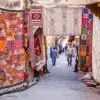
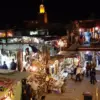
Inland cities like Marrakech and Fes experience some of the most pleasant weather in October. The oppressive summer heat—which can often exceed 40C (104F)—has cooled down to a much more manageable daytime high of around 25C to 30C (77F to 86F). The humidity remains low, making long afternoons of walking through the medinas and gardens comfortable. Once the sun sets, the temperature drops to about 15C (59F), which is perfect for outdoor dining on a rooftop terrace, though you will definitely want a light sweater.
The Atlantic and Mediterranean Coasts
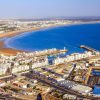
If you are visiting coastal towns like Essaouira, Casablanca, or Agadir, you will find a more temperate Mediterranean climate. The Atlantic breeze keeps the daytime temperatures steady between 22C and 26C (72F to 79F). Interestingly, the ocean water stays quite warm in October, often around 22C (71F), which makes it one of the best months for surfing or a final swim before the winter chill sets in. You might see a few morning mists along the coast, but these usually clear by midday to reveal bright, blue skies.
The Sahara Desert
October is arguably the best month for a desert trip and Private Journey Through Mountains, Gorges, and the Great Dunes of Merzouga. During the day, the dunes of Merzouga and Zagora are warm but no longer scorching, with highs averaging 28C to 32C (82F to 90F). This allows for longer camel treks and dune explorations that would be impossible in the summer. However, the desert is famous for its extreme temperature swings. As soon as the sun goes down, the heat vanishes quickly, and nighttime lows can dip to 10C to 15C (50F to 59F). If you are staying in a desert camp, you’ll move from a T-shirt at lunch to a heavy fleece by the time the stars come out.

The Atlas Mountains
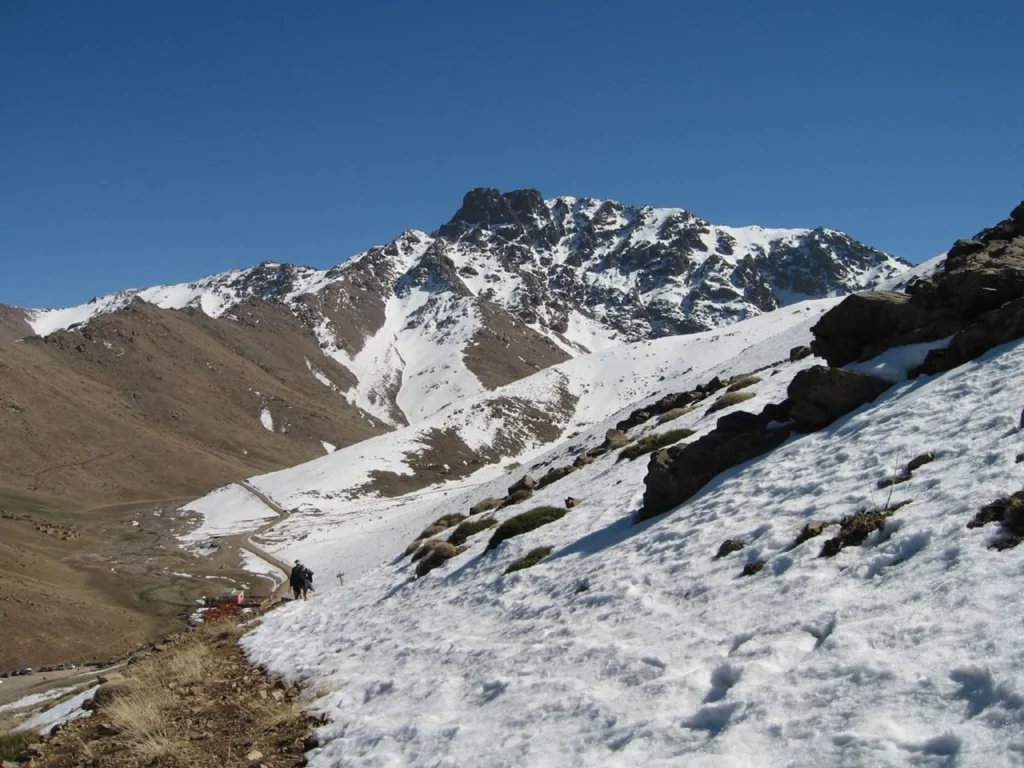
For trekkers, the Atlas Mountains in October offer crisp, clear air that is ideal for physical activity. At lower altitudes, temperatures are mild, but as you climb higher toward villages like Imlil, the air becomes noticeably sharper. Daytime temperatures in the mountains hover between 18C and 24C (64F to 75F), with nights getting quite cold, sometimes reaching 8C (46F). While snow is rare this early in the season, you may see the first dusting on the highest peaks like Jebel Toubkal toward the very end of the month.
Best Destinations to Visit in Morocco during October
Because the weather is so consistent across the country in October, you can build an itinerary that covers the mountains, the desert, and the imperial cities without compromise. This is the month when Morocco’s landscape is at its most productive, and many of the best destinations are defined by the autumn harvest.
You might also be interested in Comprehensive Guide to Morocco’s Weather Patterns.
Marrakech and the High Atlas
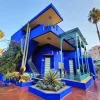
Marrakech is the natural starting point for most travelers, and in October, the city sheds the sluggishness of the summer heat. The evening temperatures are perfect for rooftop dining, and the Majorelle Garden is lush after the first light rains of the season.
Just a short drive away, the High Atlas Mountains are in their peak trekking season. This is the best time to summit Jebel Toubkal or hike through the Ourika Valley, as the trails are dry and the skies are typically clear. In the Berber villages, you can witness the annual walnut harvest, which brings a unique energy to the mountain communities as families gather to process the crop for the winter ahead.
The Sahara Desert and the Oasis Towns
If you have ever wanted to spend a night in a luxury desert camp, October is the time to do it. The dunes of Erg Chebbi and Erg Chigaga are finally comfortable enough for long camel treks and sunset photography.
Nearby, the town of Erfoud becomes a major destination in mid-October for the annual Date Festival. This event celebrates the end of the harvest with traditional music, dance, and markets showcasing dozens of varieties of Moroccan dates. Further south, in the town of M’Hamid El Ghizlane, the Taragalte Festival often takes place, celebrating nomadic culture through music and poetry under the desert stars.
Read more on how to plan and prepare for Sahara desert tour.
Taliouine and the Saffron Harvest
For a truly unique experience, head to the Anti-Atlas town of Taliouine in late October. This is the heart of Morocco’s saffron production. Early in the morning, the fields are covered in purple crocus flowers, and you can watch local women hand-picking the delicate red stigmas. Many cooperatives open their doors to visitors during this time, offering a rare look at the production of the world’s most expensive spice.
The Atlantic Coast
Essaouira remains a favorite in October for those looking for a slower pace. The strong summer winds (the Alizés) tend to die down, making the beaches more pleasant for walking and outdoor seafood grills. The water is still warm enough for surfing and kiteboarding, but the large summer crowds have returned home, leaving the blue-and-white medina much quieter and easier to navigate.
What to Wear
Given the mild temperatures and occasional rainfall in October, it’s advisable to pack:
- Lightweight Clothing. For daytime activities, opt for breathable fabrics like cotton and linen.
- Layered Attire. Evenings can be cooler, so include a light jacket or sweater.
- Rain Protection. A compact umbrella or a waterproof jacket can be handy for unexpected showers.
- Comfortable Footwear. Essential for exploring cities, markets, and natural terrains.
Read more on what to wear in Morocco in our ultimate guide.
Make the Most of the Harvest Season
October is a busy month in Morocco, and the best riads and desert camps often book up half a year in advance. Because many of the harvest festivals depend on the lunar cycle or specific weather conditions, having a local partner can make the difference between seeing the saffron fields in bloom or missing them by a day.
We specialize in Morocco tour itineraries that connect you with these authentic local events. Whether you want to join the date festivities in Erfoud or trek the Atlas trails while the walnuts are being gathered, we ensure your timing is perfect.