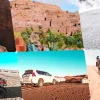
The drive to Sahara desert takes a solid eight to ten hours across the winding High Atlas Mountains and rough stone plains. Because of this, you should always map out the actual drive times between stops yourself instead of trusting a vague agency itinerary that glibly promises a “scenic afternoon transfer.”
Years ago, we provided standard, factory-issue SUVs because they looked great in brochures and were what every other tour company used. The problem was that our clients were arriving at the desert camps completely wiped out, sore, and carsick from the mountain switchbacks. When you are looking at private tour options, never settle for a generic booking confirmation that just promises a “comfortable 4×4” without asking for the exact make, model, and year of the vehicle. Otherwise, you will likely end up cramped in a basic rental that feels like a blender on rough roads.
Listening to that brutal guest feedback about road exhaustion forced us to completely change how we handle transport. We stopped buying standard dealership cars and started heavily modifying a dedicated luxury fleet specifically for long-distance desert comfort. As you plan your trip, remember that you are going to spend a huge chunk of your Moroccan vacation inside a vehicle, so vetting your ride is just as critical to your physical well-being as picking a five-star riad.
Why Factory Shocks Cause Carsickness in the High Atlas Mountains
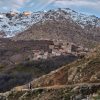
The road over the High Atlas Mountains is not a smooth American interstate. It is a grueling stretch of road called the Tizi n’Tichka pass, which features hundreds of tight, stomach-churning switchbacks and sections of uneven gravel. On a standard factory suspension, a regular SUV will lean heavily into every single turn and bounce violently over every pothole. If you are prone to motion sickness, you should always take a preventative medication before leaving Marrakech, but even the strongest stomach will struggle if your vehicle is constantly rolling and swaying from side to side for three hours straight.
To fix this, we stopped using the standard shocks that come straight from the car dealership. We rip out the factory parts and replace them with heavy-duty, off-road suspension systems like Bilstein or Old Man Emu. When you are interviewing different tour companies, you need to explicitly ask if their 4x4s have upgraded aftermarket suspensions for guest comfort. Most budget or mid-tier operators skimp on this because the parts are expensive, but it is the single most important mechanical detail that keeps you from feeling miserable in the mountains.
This mechanical upgrade completely changes how the vehicle handles the corners. Instead of leaning like a boat in a storm, the truck stays flat and stable, absorbing the road vibration before it ever reaches your spine. It means you can actually read a book, check your emails, or take a nap while navigating the highest mountain pass in North Africa without feeling a wave of nausea every time the driver hits a curve.
The Deception of the Seven Passenger SUV
Car rental agencies and tour operators love to boast that their large 4x4s can seat seven people. What they don’t tell you is that using those rear seats leaves exactly zero inches of trunk space for your luggage. Packing an American family with full-size roller bags into a standard factory SUV means someone is going to spend an eight-hour road trip with a duffel bag crammed on their lap and suitcases stacked right up to their head. You should always audit your family’s luggage sizes before you fly and force your tour company to confirm that every piece of baggage fits entirely into a separate cargo hold.
To completely eliminate this cramped environment, we instituted a strict seating cap of three to four passengers max per vehicle. This guarantees that every single guest gets a dedicated window seat and plenty of personal breathing room. If you are traveling as a larger group of five or six people, you should absolutely refuse to squeeze into a single 4×4; insist on booking a luxury Mercedes Sprinter van or splitting your group into two separate SUVs so nobody gets stuck suffocating in a middle seat for days on end.
We also took our fleet customization a step further by ripping out the useless third-row jump seats entirely and modifying the cabin layout. By shifting the middle row of seats backward, we created massive, limousine-style legroom. This gives you wide captain’s chairs where you can fully stretch out your legs, place your day bags on the floor without tripping over them, and enjoy a cabin space that feels like a private flight rather than a crowded commuter train.
How to Keep the Back Seat Cool in Extreme Desert Heat
Standard vehicle air conditioning works perfectly fine when you are driving around New York or Chicago, but it chokes completely when the Sahara sun hits 115°F. In a factory-standard SUV, the dashboard vents blast cold air right into the driver’s face while the passengers in the back rows bake in stagnant, recycled air. When you are booking a desert tour, you should never assume the climate control works equally throughout the vehicle; always ask your provider if their trucks feature independent rear passenger vents with their own temperature controls. Otherwise, you will spend the afternoon sweating through your clothes while your driver is freezing up front.
To keep the cabin genuinely comfortable, we modified our fleet with multi-zone, heavy-duty climate control systems that pump high-volume, freezing air directly into the rear rows. We also wrapped every single window in high-grade ceramic heat-blocking film. Regular dark window tint only blocks light, which does absolutely nothing to stop the infrared heat from cooking the interior of the car. Ceramic tint, on the other hand, rejects the actual heat energy from the sun, meaning the AC doesn’t have to work twice as hard just to keep the cabin at a stable 68°F.
You should also prepare for the massive temperature shock when stepping out of an ice-cold vehicle into the blazing desert sun during roadside stops. Keeping a lightweight linen shirt or scarf at your seat lets you quickly cover up and protect your skin from the sudden blast of heat the moment you open the door. It also helps to tell your driver to ease off the AC about ten minutes before you arrive at a walking destination, which gives your body a chance to adjust to the outside climate and prevents that immediate wave of dizziness.
Upgrading the Small Details for Long Distance Comfort
When you are stuck in a vehicle for a full day, the small annoyances compound quickly. Most budget tour companies think they are providing luxury by tossing a single, lukewarm bottle of water into the door pocket at the start of the day. By hour four, that water is hot, your throat is dry, and you are pulling into sketchy roadside gas stations just to find a cold drink. You should always stock up on your own preferred snacks, electrolyte packets, and specific drinks at a proper supermarket in Marrakech before you ever head toward the mountains, because the small villages along the route only carry basic local staples.
To avoid the misery of warm drinks, we installed integrated electric refrigerators directly into the center consoles of our vehicles. This means you have access to ice-cold water, fresh fruit, and chilled sodas throughout the entire journey across the sun-baked stone plains. Furthermore, we added heavy acoustic insulation layers beneath the floor mats and inside the door panels to drown out the constant road roar of tires spinning over gravel and wind whipping against the frame. This quiet environment prevents that throbbing headache that usually sets in by hour six of a highway drive, though you should still pack a solid pair of noise-canceling headphones to give yourself a total sensory break from the road.
The final piece of the comfort puzzle is power. There is nothing more anxiety-inducing than watching your phone battery tick down to 5% when you still have three hours of incredible mountain scenery left to photograph. Standard car USB ports charge at a painfully slow crawl, barely keeping your phone alive if you are actively using it. We re-wired our cabins with high-output, fast-charging USB-C ports at every single seat so your tablets, cameras, and phones can top up completely in a matter of minutes. Just make sure you keep your charging cables in your seat pocket rather than packing them away in your checked luggage where you can’t reach them during the transit.
What to Ask Your Morocco Tour Company About Their Vehicles
When you are investing in a high-end trip to Morocco, it is easy to spend all your time vetting the luxury riads and desert camps while completely ignoring the transportation. However, your vehicle is your mobile base for days at a time. Spending a premium on a beautiful hotel does not matter much if you arrive there completely exhausted and physically aching from a miserable eight-hour drive in an inferior car. You should look at transport as a core part of your travel comfort rather than an afterthought or a line item where you try to cut corners.
Before you wire a deposit or sign a contract with any tour operator, you need to look past generic marketing phrases like “luxury air-conditioned vehicle” and get the specific mechanical details in writing. Always ask the company for the exact make, model, and year of the vehicle they are assigning to your group, and explicitly confirm that the car will not be packed to its factory seating capacity. Reputable agencies will have no problem sending you actual photos of their fleet and confirming their passenger limits, while operators planning a bait-and-switch will usually give you vague answers or tell you that the vehicle type depends on availability the day you arrive.
Ultimately, a seamless travel experience across Morocco depends entirely on the logistics supporting it. By ensuring your vehicle has an upgraded suspension, dedicated rear climate control, and a strict passenger limit, you turn a grueling cross-country transit into a relaxed, scenic journey. Taking the time to verify these vehicle modifications before you finalize your booking guarantees that you can focus entirely on the incredible landscapes of the High Atlas and the Sahara, rather than counting down the minutes until you can finally get out of the car.