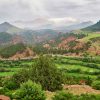
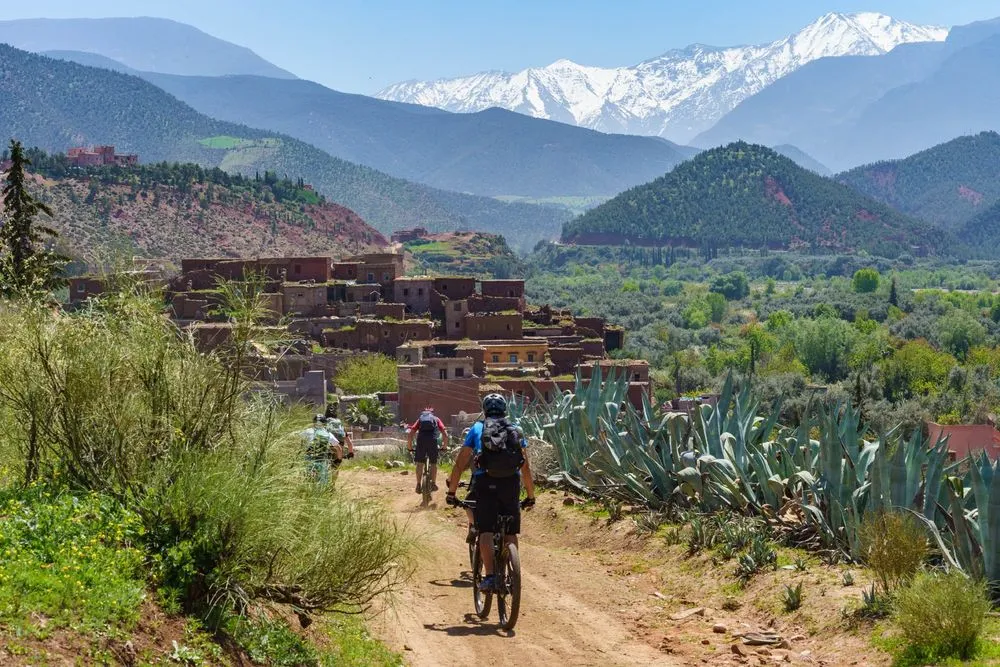
Remote trekking in Morocco’s High Atlas is often imagined through the scenery: stone villages, mule paths, terraced valleys, high passes, clean mountain air and long views that make the effort feel worthwhile. But once guests leave the city behind, another part of the journey becomes just as important as the route itself: how they eat.
In remote areas, food is not a minor comfort. It shapes energy, recovery, mood and the pace of the entire trek. A poorly planned meal can make even a beautiful day feel harder than it should. A thoughtful one can help guests settle into the mountains, sleep better, walk stronger and enjoy the experience without feeling that comfort has been left behind in Marrakech.
That is why private catering has become an essential part of our High Atlas treks on every Morocco private tour we offer. Professional chefs are not included to turn the mountains into a hotel restaurant. They are there to bring structure, care and proper nutrition into places where ordinary logistics become more demanding. Every breakfast, trail lunch, tea stop and evening meal is planned around the route, the season, the terrain and the people traveling.
Why Food Matters More in the High Atlas Than Guests Expect
A trek in the High Atlas is not just a walk with beautiful views. Guests may spend several hours on mountain paths, gain altitude, cross exposed terrain, move between hot sun and cool wind, and arrive in places where there is no restaurant around the corner. In that setting, food starts to affect everything.
A good breakfast helps the first climb feel manageable. A balanced trail lunch prevents the afternoon from turning heavy or sluggish. Enough water, salt, fruit and warm tea can make a long day feel controlled rather than draining. Dinner then becomes more than a reward. It helps the body recover before the next morning.
This matters even more for travelers who are combining the mountains with a wider luxury itinerary. They may arrive from a palace hotel in Marrakech or a private riad, then suddenly move into remote valleys where the usual comforts disappear. Private catering softens that transition without removing the character of the trek.
The goal is not to make mountain food complicated. It is to make it reliable. In remote terrain, a well-planned meal is part of the route.
From Basic Trek Meals to Private Mountain Catering
Traditional trekking meals in the High Atlas are often generous, simple and deeply tied to local hospitality. Bread, tea, soup, tagines, couscous and seasonal produce can be exactly what the moment needs. But on a private luxury trek, food has to do more than appear at mealtimes. It has to support the pace, comfort and expectations of the journey.
Private mountain catering begins before the trek starts. The menu is planned around the route, the length of each walking day, the season, the altitude and the guests themselves. A family with children, a couple celebrating a milestone and a group of experienced hikers will not all need the same rhythm of meals.
This is where a professional culinary team makes a difference. Ingredients are selected with more care. Portions are timed around the day’s effort. Dietary preferences are handled before they become a problem and the food remains Moroccan in spirit.
Why We Include Professional Chefs on Every Mountain Trip
We began treating food as part of the trek design because the difference was impossible to ignore. Guests who eat well move better, recover faster and enjoy the mountains with more ease. When meals are planned properly, the whole day feels calmer.
A professional chef also allows the guide to focus on the route, safety, timing and the guest experience. In remote terrain, that matters. The guide should not be solving menu issues while also watching the weather, checking the path and adjusting the pace of the group.
The chef’s role is different. They think about ingredients, preparation, hygiene, dietary needs and when each meal should be served. They know how to create comfort without making the experience feel artificial. A warm dinner after a long descent, a proper breakfast before a high pass, a tea break at the right moment .
Nutrition for Long Days on Foot
Food on a High Atlas trek has to be satisfying, but it also has to work with the body. Heavy meals at the wrong time can slow guests down. Too little food can make the afternoon feel longer than the trail itself.
That is why we plan meals around steady energy rather than excess. Breakfast should prepare guests for movement, not leave them uncomfortable before the first climb. Lunch should be fresh, balanced and easy to digest. Dinner should feel generous, warm and restorative after hours outside.
The best mountain menus combine slow-release carbohydrates, protein, vegetables, fruit, nuts, healthy fats and enough fluids. Moroccan food is well suited to this when it is planned carefully. Fresh bread, eggs, soups, tagines, couscous, lentils, salads, dates, almonds, honey, herbs and mint tea can all support the rhythm of the trek.
The Comfort of a Proper Meal in a Remote Place
After a long day in the High Atlas, comfort becomes very simple. A clean place to sit. Warm tea. Food prepared at the right time. A meal that feels generous without being heavy. In a remote camp or mountain lodge, these details have more value than they would in the city.
Private catering changes the atmosphere of the evening. Guests do not arrive tired and uncertain about what comes next. They know that dinner has been planned, dietary needs have been remembered and the pace of the evening can slow down naturally.
This is where luxury in the mountains feels different from luxury in a hotel. It is not about abundance for its own sake. It is about removing small frictions after a physically demanding day, so guests can enjoy where they are.
Dietary Needs Cannot Be Solved at the Last Minute
In Marrakech, dietary preferences can usually be handled with a restaurant reservation and a clear note to the kitchen. In the High Atlas, the margin for improvisation is much smaller. Once the group has left the city, ingredients, substitutions and cooking conditions are limited by the route.
This is why we ask about dietary needs before the trek begins. Vegetarian meals, gluten-free options, dairy-free dishes, allergies, children’s preferences or lighter meals for sensitive digestion all require planning. The more remote the itinerary, the more important this preparation becomes.
A private culinary team gives us control over these details. Menus can be adjusted before supplies are packed. Ingredients can be selected with care. The chef can prepare alternatives without turning every meal into a negotiation.
For guests, this creates a quieter kind of comfort. They do not have to explain the same restriction every day or worry that dinner will become difficult. The food has already been planned around them.
Moroccan Food Should Stay Part of the Experience
Private catering in the High Atlas is not about replacing local food with something imported and anonymous. The mountains have their own rhythm of hospitality, and food is one of the clearest ways to experience it.
Fresh bread, olives, mint tea, seasonal vegetables, lentils, couscous, tagines, dried fruit, almonds, honey and mountain herbs all belong naturally to the journey. A professional chef can use these ingredients with more precision, adapting them to the pace of the trek and the preferences of the guests without losing their Moroccan character.
This balance matters. Guests should feel cared for, but they should also feel where they are. A meal in a remote valley should not taste like it could have been served anywhere. It should carry something of the place: the warmth of Moroccan hospitality, the simplicity of mountain cooking and the quiet pleasure of eating well after a day outside.
The Logistics Behind a Private Culinary Team
Good food in the High Atlas does not happen by accident. Before a trek begins, the route, walking times, overnight stops, weather, guest preferences and available supplies all have to be considered. A meal served in a remote valley may look simple at the table, but it usually depends on careful planning long before the guests arrive.
The work starts with the menu. Ingredients have to be chosen for freshness, durability and suitability for the terrain. Equipment must be packed. Water, storage, cooking conditions and timing all need attention. On some routes, supplies move by vehicle for part of the journey and then by mule or on foot for the final approach.
This is where coordination matters. The chef, guide, drivers, muleteers and support staff need to work as one team. Breakfast has to be ready before departure. Lunch has to match the day’s walking rhythm. Dinner has to be possible in the place where the group actually ends the day, not in the place the schedule imagined on paper.
Safety, Hygiene and Consistency in Remote Terrain
In remote trekking, food safety is not a small operational detail. A stomach issue that might be inconvenient in the city can disrupt an entire mountain itinerary. Guests are far from their hotel, medical support is less immediate, and the next day may still require several hours on foot.
A private culinary team gives us better control over preparation, storage, water use and kitchen cleanliness. Ingredients are handled by people who understand both the standards expected by international travelers and the limitations of cooking in mountain conditions.
It also brings consistency. Meals are not left to chance from one stop to the next.
Better Food Also Supports the Guide Team
A well-run trek depends on clear roles. The guide is responsible for the route, pacing, weather decisions, safety, cultural context and the comfort of the guests. When food is also left to the guide to solve, attention gets divided at the exact moment it should stay focused.
A private culinary team changes that dynamic. The chef takes responsibility for meals, preparation, timing and dietary details. The guide can stay with the group, read the terrain, adjust the pace and make decisions without being pulled into kitchen logistics.
This matters most when conditions shift. A route may take longer than planned. Weather may change. A guest may need a slower pace. When the food team is prepared and flexible, the rest of the operation can adapt without the whole day feeling disrupted.
Who Benefits Most from Private Catering?
Private catering is valuable on almost any remote trek, but it becomes especially important when the trip is longer, more personal or more physically demanding. A one-day walk may only need a well-prepared picnic. A multi-day journey through the High Atlas needs a more complete food system.
Families benefit because meals can be timed around children, energy levels and familiar preferences. Older travelers often appreciate the reassurance of lighter options, warm meals and careful pacing. Guests with allergies or dietary restrictions need the certainty that suitable food has been planned before the group leaves the city.
It also matters for private groups celebrating something meaningful. A birthday, anniversary or family journey should not feel reduced the moment the road ends. The setting may be remote, but the sense of care should continue.
For travelers combining Marrakech, the desert and the mountains in one luxury itinerary, private catering creates continuity. The experience changes, but not the standards.
Private Catering During Remote Treks in Morocco’s High Atlas – Final Thoughts
A remote trek in Morocco’s High Atlas is shaped by more than altitude, distance and scenery. It is shaped by how guests feel at the end of each day. Tired can be good. Underfed, uncomfortable or uncertain is different.
Private catering gives the journey a steadier rhythm. It helps guests walk with more energy, recover with more ease and enjoy the mountains without feeling that every comfort has been left behind. It also allows the guide team to work properly, the chef to plan with care and the whole experience to feel managed rather than improvised.
This is not about turning the High Atlas into a hotel. The mountains should still feel like mountains. The paths, villages, weather, silence and effort are part of why people come. Good catering simply makes the remote experience more generous, more reliable and more enjoyable.
For us, professional chefs are not an optional flourish on a mountain trip. They are part of the structure that makes a private High Atlas trek work well from the first breakfast to the final evening meal.
FAQ: Private Catering on High Atlas Treks
Is private catering available on High Atlas treks?
Yes, private catering can be arranged on custom High Atlas treks, especially for private and luxury itineraries. It should be planned before the route is finalized, because food logistics depend on distance, overnight stops, season and guest needs.
Why bring a private chef on a mountain trek in Morocco?
A private chef improves the quality, timing and reliability of meals in remote terrain. This matters because food affects energy, recovery, digestion and the overall comfort of the trek.
What kind of meals are served during a High Atlas trek?
Meals usually combine Moroccan flavors with trek-friendly planning. Guests can expect fresh bread, eggs, fruit, salads, soups, tagines, couscous, vegetables, lentils, dates, almonds, honey, mint tea and warm dinners suited to the day’s effort.
Can private chefs handle dietary restrictions?
Yes, but dietary needs should be shared before the trek begins. Vegetarian, gluten-free, dairy-free, lighter meals, children’s preferences and allergy-sensitive menus are much easier to manage when supplies are planned in advance.
Is private catering only for luxury travelers?
Not only, but it is especially useful on private, high-end and multi-day treks. The more remote the route, the more valuable proper food planning becomes.
Does private catering make the trek less authentic?
No, not when it is done well. The goal is not to replace Moroccan mountain hospitality with a formal restaurant experience. The best private catering uses local ingredients, Moroccan dishes and careful preparation to make the experience more comfortable without making it artificial.
Is the food prepared in camps, lodges or village houses?
It depends on the route. Meals may be prepared in a mountain lodge, private camp, village house or outdoor kitchen setup. The culinary team adapts to the terrain and available facilities.
Can families benefit from private catering?
Yes. Families often benefit from better timing, flexible portions, familiar options for children and snacks that support energy throughout the day.
Is private catering useful for guests with sensitive digestion?
Yes. A private food team gives more control over ingredients, preparation, water use and meal timing. It cannot remove every risk from remote travel, but it reduces many avoidable problems.
Can alcohol be served on High Atlas treks?
Sometimes, but it depends on the operator, route, location and local expectations. It should be discussed discreetly before the trip, not requested casually once the group is already in the mountains.
Is private catering worth it for a one-day trek?
For a short walk, a high-quality picnic or private lunch may be enough. For multi-day treks, private catering becomes much more important because meals affect comfort and recovery every day.
What should guests share before the trek?
Guests should share allergies, dietary restrictions, disliked ingredients, preferred breakfast style, caffeine habits, hydration needs and any medical food concerns. The earlier these details are known, the better the culinary team can prepare.