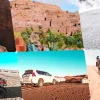
Morocco is one of the few global destinations that offers a transition from snow-capped mountain ranges to the world’s largest hot desert within a single day’s drive. Its appeal lies in this extreme geographic diversity, combined with a cultural heritage that remains deeply integrated into daily life.
Travelers are drawn to Morocco for its sensory density: the labyrinthine medieval medinas of Fes and Marrakech, the preservation of ancient Amazigh (Berber) traditions, and a culinary profile that is among the most sophisticated in Africa.
Whether for the bucket-list experience of the Sahara, the architectural sanctuary of a traditional riad, or the world-class trekking in the High Atlas, Morocco provides a multifaceted journey that caters to both luxury seekers and adventure travelers.
Morocco Offers an Immense Geographic Diversity
Morocco is one of the few places where you can stand on a snow-capped mountain peak in the morning and reach the edge of a vast desert by sunset. This geographic diversity is the country’s greatest asset, offering a “continent in one country” experience.
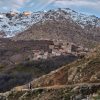
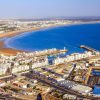
The High Atlas Mountains, often called the “backbone of Morocco,” feature the highest peaks in North Africa, including Mount Toubkal (4,167 m). These rugged ranges provide a sharp contrast to the lush valleys below, where traditional Berber villages are carved into the hillsides. As you move toward the coast, the landscape shifts again to the dramatic cliffs and wide, windswept beaches of the Atlantic Ocean and the calmer, turquoise waters of the Mediterranean Sea.
Within a single week, a traveler can experience four distinct climates:
- Alpine. The cold, crisp air of the high mountain passes.
- Mediterranean. The temperate, citrus-scented air of the northern plains.
- Coastal. The humid, salty breeze of cities like Essaouira.
- Arid. The dry, intense heat of the Sahara.
This variety ensures that an itinerary can be tailored to almost any interest, allowing for a high-energy adventure in the mountains followed immediately by a restful retreat on the coast.
The Iconic Sahara Desert Experience
For many travelers, the Sahara is the primary motivation for visiting Morocco. The experience centers on the Ergs—massive seas of shifting sand dunes that can reach heights of 150 meters. Whether you choose the more accessible Erg Chebbi near Merzouga or the remote, wilder dunes of Erg Chigaga, the desert offers a profound sense of isolation and scale.
The traditional way to enter the dunes is via a camel trek. This slow-paced journey follows the rhythms of ancient trade caravans, allowing you to witness the sand’s transition from bright gold to deep violet as the sun sets. Beyond the ride itself, modern desert travel has evolved to include luxury desert camps (glamping). These camps feature permanent tents with en-suite bathrooms, comfortable bedding, and gourmet Moroccan dining, providing a high level of comfort in a remote wilderness.
The Sahara is also one of the premier locations on Earth for stargazing. Due to the lack of light pollution and the dry atmosphere, the night sky is exceptionally clear, making the Milky Way visible to the naked eye. Evenings typically conclude around a campfire with traditional Berber drumming and storytelling, offering a quiet, immersive connection to the nomadic heritage of the region.
A World-Renowned Culinary Adventure
Moroccan cuisine is widely regarded as one of the most sophisticated in the world, defined by a complex use of spices that favor aroma over heat. The foundation of the kitchen is Ras el Hanout, a master blend that can contain up to 30 different spices, including cinnamon, cumin, and ginger.
A culinary journey through Morocco extends far beyond the ubiquitous Tagine. You will encounter Couscous, which is traditionally served as a communal meal on Fridays; Pastilla, a savory-sweet pigeon or chicken pie encased in paper-thin pastry; and Harira, a hearty tomato and lentil soup that is a staple of the Moroccan diet.
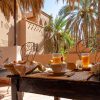
The social fabric of the country is held together by Moroccan Mint Tea. Known as “Moroccan Whiskey,” the preparation and pouring of this tea is a ritual of hospitality that accompanies every interaction, from business deals in the souks to welcoming guests into a private home.
Living History in the Ancient Medinas
To step into a Moroccan Medina is to enter a living museum. Cities like Fes el-Bali (the world’s largest car-free urban area) and the Marrakech Medina are UNESCO World Heritage sites where life continues much as it did a millennium ago.
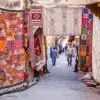
These walled cities are a labyrinth of thousands of narrow alleys, organized by trade. You will walk through the tanneries, where leather is still dyed in ancient stone vats, past the copper smiths’ quarters, and through the spice markets. The medinas are not just tourist attractions; they are functioning residential hubs where the sounds of the call to prayer, the scent of cedarwood, and the bustle of handcarts create a complete sensory immersion in medieval history. Read more about ancient splendor in our next article: “A Journey Through Morocco’s Living History.“
Unique Stays: The Magic of the Moroccan Riads
One of the most compelling reasons to visit Morocco is the opportunity to stay in a Riad.
A Riad is a traditional Moroccan house or palace with an interior garden or courtyard. This architectural style is designed for privacy and temperature control, with all windows facing inward toward the central courtyard rather than outward to the street.
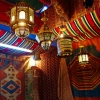
The experience of a Riad is one of total contrast. The exterior street may be chaotic and dusty, but once you step through the heavy wooden door, you are met with a silent sanctuary of Zellige tiles, citrus trees, and the sound of a central fountain. Ranging from rustic, authentic guesthouses to ultra-luxury boutique hotels, staying in a Riad is an essential cultural experience that offers a level of intimacy and service that standard hotels cannot match.
Exquisite Architecture and Craftsmanship
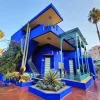
Moroccan architecture is a masterclass in geometry and detail. The visual identity of the country is defined by Moorish-Andalusian influences, characterized by the horseshoe arch, massive carved cedar doors, and hidden palaces. What makes this architecture truly amazing is the survival of ancient artisanal techniques:
- Zellige. Intricate, hand-cut terra-cotta tile mosaics that form complex geometric patterns.
- Tadelakt. A waterproof lime plaster used in riads and hammams, polished to a marble-like sheen with river stones.
- Muqarnas. Ornamental “honeycomb” or “stalactite” vaulting that adorns the ceilings of mosques and grand entrances.
Seeing these elements in person—whether at the Hassan II Mosque in Casablanca or the Ben Youssef Madrasa in Marrakech—reveals a level of human craftsmanship that is increasingly rare in the modern world. This is all included in our tours from Casablanca.
Legendary Moroccan Hospitality
In Morocco, hospitality is not just a service; it is a point of cultural pride. Influenced by the values of the Amazigh (Berber) and Arab traditions, guests are often treated as “invited by God.” This is most evident in the rural villages of the Atlas Mountains and the Sahara, where it is common for a local family to invite travelers for tea or a home-cooked meal without expecting anything in return.
This warmth defines the Moroccan travel experience. It turns a simple interaction with a shopkeeper or a mountain guide into a genuine cultural exchange, making the country feel accessible and welcoming despite its exotic reputation.
A Shopper’s Paradise in the Bustling Souks
The Souks (markets) of Morocco are arguably the world’s most vibrant outdoor shopping centers. Unlike modern malls, the souks are divided by craft, allowing you to watch the artisans at work before purchasing.
Marrakech
Known for its vast, colorful displays of leather bags, hand-beaten copper lamps, and pyramids of spices.
Fes
Fes is famous for its high-quality leather (from the ancient Chouara Tannery), intricate pottery, and hand-woven silks.
Haggling is the standard practice and is considered a social ritual. It’s an opportunity to sit down with a merchant, share a glass of tea, and negotiate a price for a hand-woven Berber carpet or a set of hand-painted ceramics that will serve as a lifelong reminder of your trip.
Morocco Offers Adventure Beyond the Cities
While the medinas offer culture and history, Morocco’s vast backcountry is an outdoor playground for adventure seekers. The variety of terrain allows for a range of activities that go beyond simple sightseeing:
Trekking
The High Atlas Mountains offer world-class hiking trails, from gentle walks through Berber villages to the challenging ascent of Mount Toubkal, the highest peak in North Africa. Read more about trekking in Morocco.
Surfing & Kitesurfing
The Atlantic coast, particularly around Essaouira and Taghazout, is a global hub for surfers, offering consistent swells and a laid-back coastal vibe.
Hot Air Ballooning
For a different perspective, sunrise flights over the Marrakech plains provide a panoramic view of the desert landscape and the distant, snow-capped Atlas peaks.
Off-Roading
Private 4×4 expeditions tours through the rugged Anti-Atlas or the volcanic landscapes of the Jbel Saghro offer a glimpse into the raw, untouched wilderness of the deep south.
The Rejuvenating Ritual of the Hammam
No trip to Morocco is complete without experiencing a Hammam. This traditional steam bath is a cornerstone of Moroccan social life and wellness. Unlike a dry sauna, the hammam uses steam and heat to open the pores, followed by a vigorous scrub with Beldi soap (a natural black soap made from olive oil) and a Kessa glove.
The process is both a deep physical cleanse and a mental reset. You can choose between a local neighborhood hammam for an authentic, communal experience or a luxury spa hammam in a high-end riad, where the ritual is elevated with argan oil massages and rose-scented water. It is the ultimate way to decompress after a day of exploring the souks.
Visiting Morocco is a Transformative Journey
Morocco is more than just a destination on a map; it is a sensory immersion that challenges your perspective and rewards your curiosity. From the architectural silence of a hidden riad to the rhythmic drumming of a Saharan campfire, the country offers a depth of experience that stays with you long after you leave.
Its unique ability to balance ancient traditions with modern hospitality makes it a rare find in today’s world. Whether you come for the adventure, the history, or the food, you will leave with a profound appreciation for a culture that is as warm as the desert sun.
Start Planning Your Custom Moroccan Adventure Today!